Turning Audience Research Into Enrollment Strategy
Led a comprehensive demographic and psychographic market research initiative focused on better understanding prospective student audiences, messaging effectiveness, and enrollment behavior. The project combined qualitative workshops, quantitative survey data, historical enrollment trends, and audience segmentation research to guide strategic marketing decisions across both digital and traditional channels.
Insights gathered through the research helped shape audience-specific messaging, creative direction, media placement strategy, and campaign development. By aligning creative assets with distinct audience motivations and behavioral patterns, marketing efforts became more targeted, measurable, and effective across recruitment touchpoints.
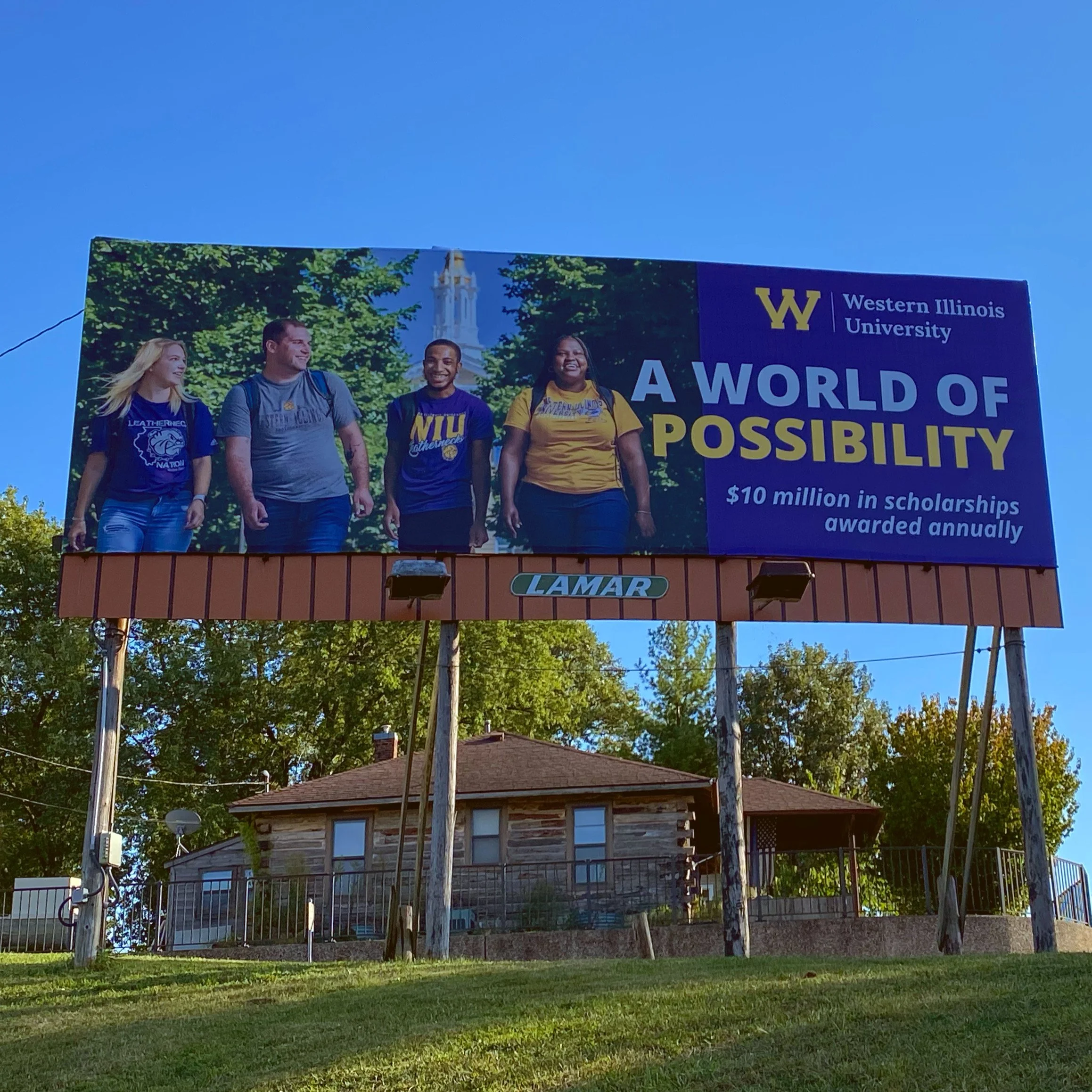
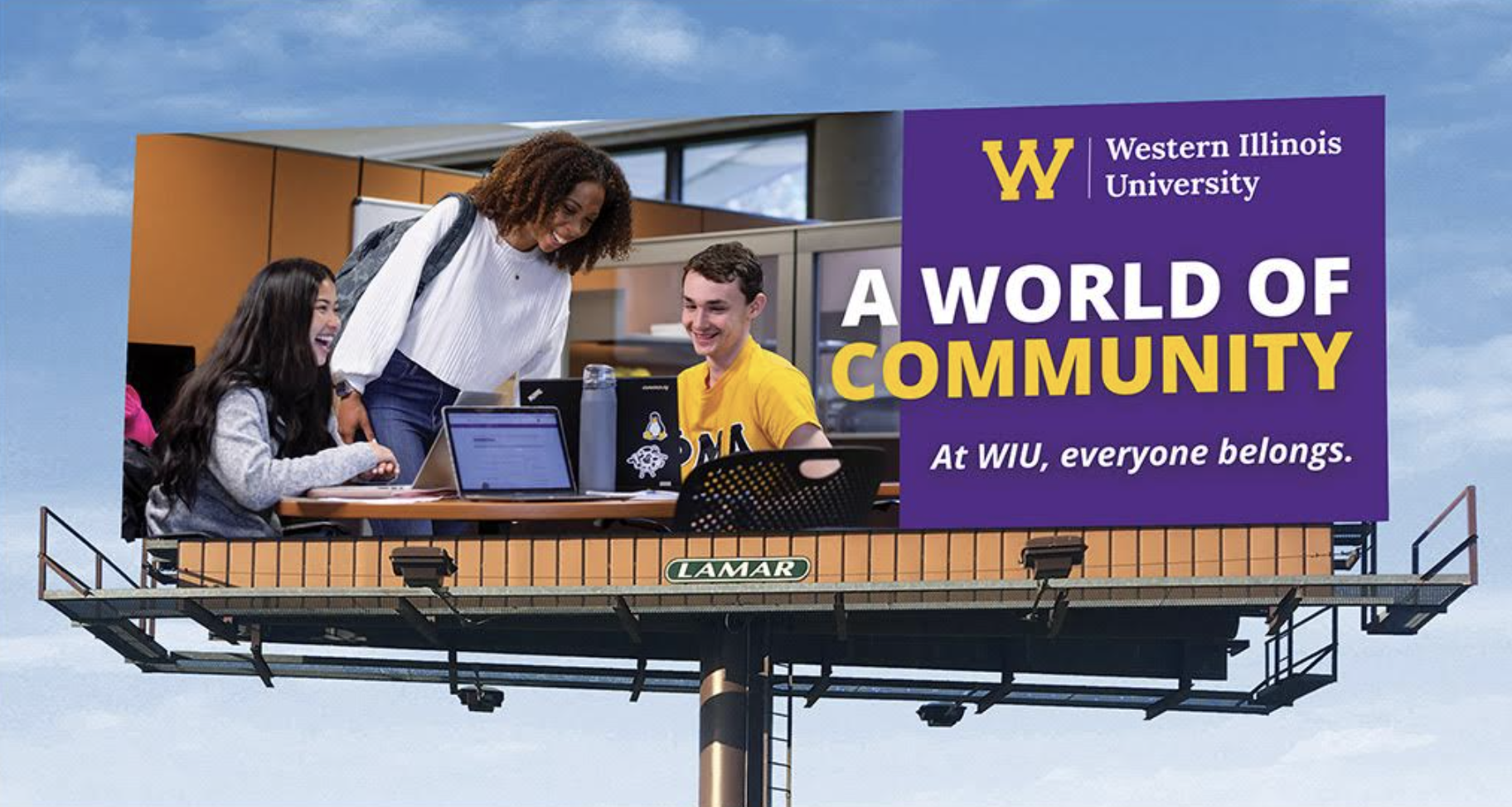
The research also informed broader campaign strategy, including billboard placement, digital advertising, and regional outreach initiatives designed to maximize visibility, engagement, and return on investment through data-informed decision making.
-
Managed relationships with a wide range of external partners including digital marketing agencies, billboard and broadcast vendors, creative partners, printers, and media representatives. Responsibilities included overseeing vendor communication, coordinating project timelines, reviewing proposals, managing production logistics, and helping ensure brand consistency across all external marketing initiatives.
Collaborated closely with internal stakeholders across marketing, purchasing, and administrative teams throughout the vendor selection and execution process. This work required balancing creative direction, budget considerations, campaign goals, and operational needs across multiple concurrent projects and marketing channels.
-
Led audience research initiatives focused on understanding prospective student behavior, motivations, and enrollment decision-making patterns. Combined qualitative workshops, interviews, survey data, and historical enrollment trends to uncover insights that informed campaign messaging, audience segmentation, and media strategy.
Research findings helped guide creative direction and marketing decisions across both digital and traditional channels, allowing campaigns to better align with audience interests, improve engagement, and support recruitment objectives.Additionally, I closely collaborated with admissions stakeholders to compile and analyze historical cycles of student data. This data was pivotal in efforts to gain a deep understanding of the demographic household clusters that hold significance in the context of the University's enrollment pipeline.
-
Analyzed psychographic and demographic audience data to better understand behavioral patterns, communication preferences, geographic trends, and key decision-making factors influencing prospective student engagement. Insights gathered through data analysis helped guide audience targeting, messaging strategy, campaign development, and media placement decisions across multiple recruitment markets.
Research findings were used to support more targeted and effective marketing efforts by aligning creative direction and campaign messaging with the interests, motivations, and behaviors of specific audience segments.
-
Utilized audience research, campaign analytics, enrollment trends, and performance data to support strategic marketing and creative decisions across digital and traditional channels. Insights gathered through reporting and campaign analysis helped guide messaging strategy, audience targeting, media placement, and overall campaign development.
Marketing initiatives were continuously evaluated and refined based on performance data, audience behavior, and engagement trends to improve campaign effectiveness, strengthen brand visibility, and support long-term recruitment goals.

Data-Informed Media Placement & Campaign Strategy
Used demographic, geographic, and historical performance data to guide traditional advertising placement and campaign strategy decisions across key recruitment markets. Audience mapping and trend analysis helped identify high-impact locations for billboard campaigns, transit advertising, and regional outreach efforts designed to maximize visibility, engagement, and return on investment.
This approach combined audience research with creative strategy to ensure messaging, placement, and media spend were aligned with audience behavior, market opportunity, and long-term enrollment objectives.